
Invoice Financing: Turn Unpaid Invoices into Working Capital
Unlock Cash Flow from Your Outstanding Invoices
Learn how invoice financing works, when it makes sense, and how to choose between factoring and invoice loans. A complete guide for B2B businesses.

Key Takeaways
- Advance rates typically 80-90% of invoice value
- Customer creditworthiness matters more than yours
- Factoring vs. financing: different collection responsibilities
- Great for B2B companies with long payment cycles
For B2B companies, waiting 30, 60, or even 90 days for customers to pay invoices can create serious cash flow challenges. Invoice financing turns those unpaid invoices into immediate working capital, letting you cover expenses, take on new projects, and grow without waiting.
This guide explains how invoice financing works, the key differences between factoring and invoice loans, and how to determine if it is right for your business.
How Invoice Financing Works
Invoice financing allows you to borrow against the value of your outstanding invoices from creditworthy customers. Instead of waiting weeks or months for payment, you receive most of the invoice value upfront, typically 80-90%.
The financing company evaluates your customers creditworthiness rather than focusing primarily on your business credit. This makes invoice financing accessible to newer businesses or those with imperfect credit histories who might struggle to qualify for traditional loans.

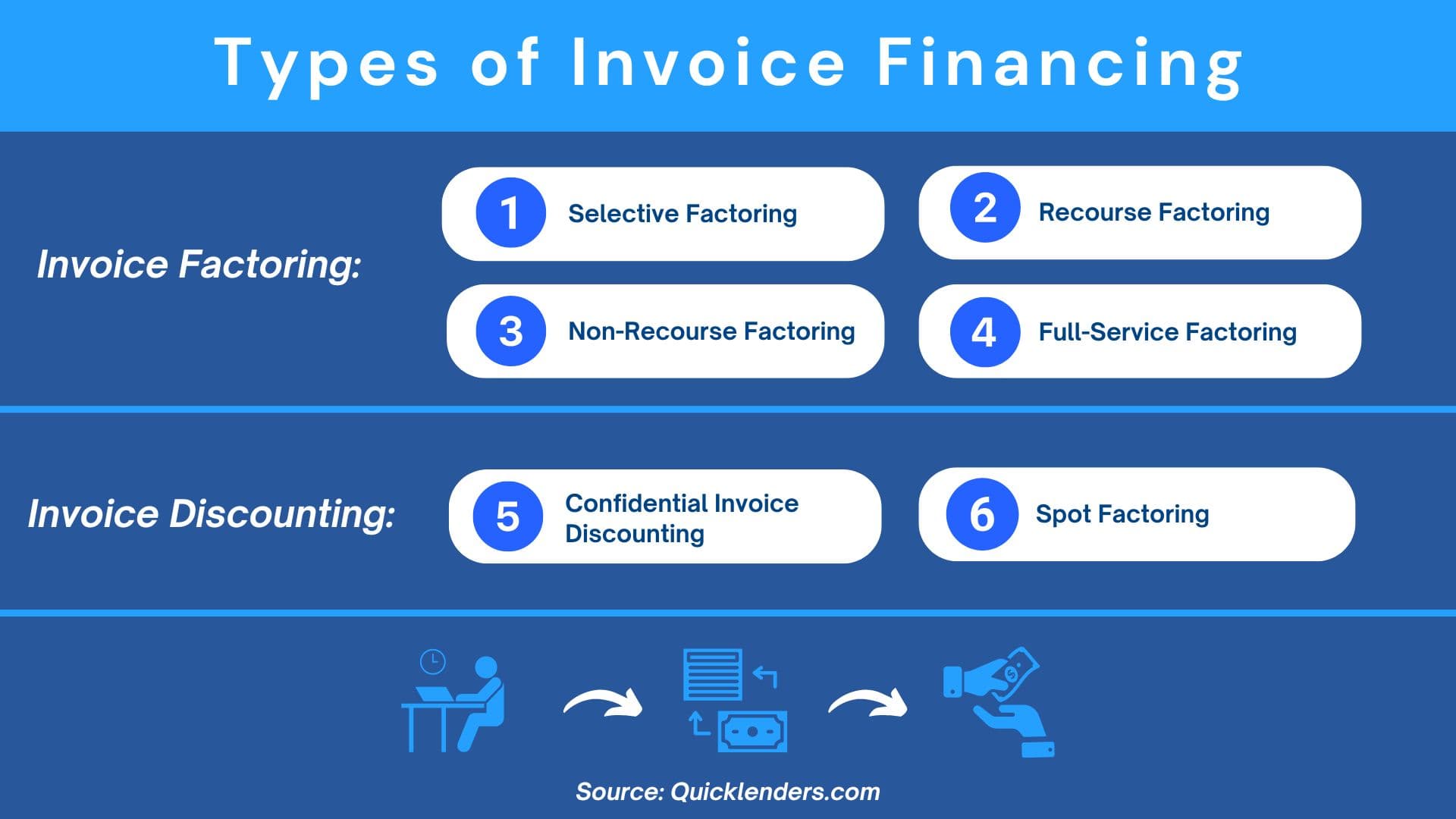
Invoice Financing Options
Understanding the different approaches to accounts receivable financing
Factoring vs. Invoice Loans
Two different approaches with important distinctions
Invoice Factoring
- CollectionFactor collects directly from your customers
- Customer KnowledgeCustomers know you are using factoring
- RecourseNon-recourse options available if customer does not pay
- Best ForCompanies comfortable with third-party collection
Invoice Loans
- CollectionYou continue collecting from your customers
- Customer KnowledgeCustomers may not know about financing
- RecourseYou are typically responsible if customer does not pay
- Best ForMaintaining direct customer relationships
Need Cash Flow Now?
Turn your outstanding invoices into working capital within 24-48 hours.
Get StartedWhen Invoice Financing Makes Sense
This financing option works best in specific situations
Long Payment Cycles
If your customers pay on 45, 60, or 90-day terms, financing bridges the gap between delivery and payment.
Rapid Growth
Fast-growing companies often have revenue but cash tied up in receivables. Financing fuels continued growth.
Seasonal Businesses
Smooth out cash flow during slow seasons by accelerating receivables from busy periods.
Limited Credit History
Because approval depends more on customer credit, newer businesses can qualify more easily.
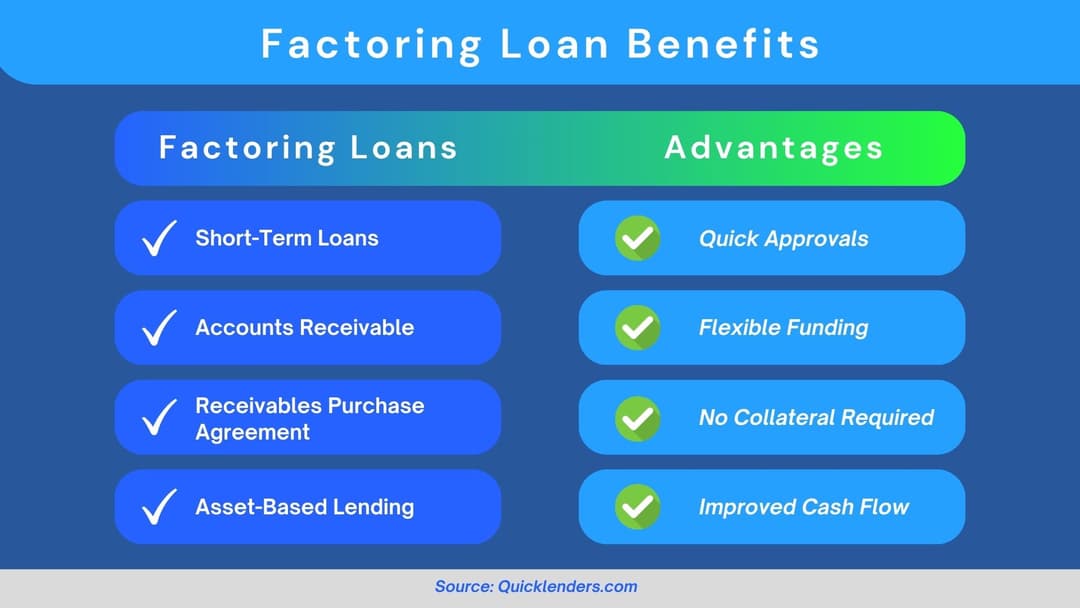
Understanding the Costs
Invoice financing costs typically run 1-5% of the invoice value, depending on factors like invoice volume, customer creditworthiness, industry, and how quickly customers pay. While this is higher than traditional loan rates when annualized, the flexibility and speed often justify the cost.
Be sure to understand all fees involved: advance rates, factor fees, additional fees for invoices outstanding beyond expected terms, and any minimum volume requirements. Compare total costs across providers, not just the headline rate.
When to Consider Alternatives
Invoice financing may not be the best choice if your customers have poor credit or payment histories, your profit margins are too thin to absorb financing costs, you have very few large invoices (concentration risk), or your customers are consumers rather than businesses.
In these cases, consider business lines of credit or term loans instead.
Frequently Asked Questions
Try These Free Tools
Put what you learned into action with these calculators and tools.
Increase your Financial IQ with Quick Lenders helpful guides.
Get pre-qualified in minutes with no impact to your credit score. Our lending specialists will match you with the best options for your business.