
Pre-Seed Funding: The Complete Guide for Early-Stage Startups
Launch Your Startup with the Right Early-Stage Capital
Everything founders need to know about pre-seed funding, from typical amounts and sources to building a pitch deck that gets investors interested.

Key Takeaways
- Pre-seed rounds typically range from $50K to $500K
- Focus on friends, family, angels, and accelerators at this stage
- You need a compelling vision, not necessarily revenue
- Expect to give up 10-25% equity in exchange for funding
Pre-seed funding is the earliest stage of startup financing, coming before even the traditional seed round. It is the capital that helps you go from idea to minimum viable product (MVP), validating your concept before seeking larger investments.
For many founders, pre-seed is the most challenging round to raise: you are selling potential rather than proven results. This guide covers what you need to know to successfully navigate this critical early stage.
What Is Pre-Seed Funding?
Pre-seed funding bridges the gap between your initial idea and having something tangible to show investors. At this stage, you might have little more than a concept, a founding team, and perhaps early customer research or a prototype.
The funds raised during pre-seed typically cover product development (building your MVP), initial market research and validation, early team hiring, legal and administrative setup, and operating costs until you reach the next milestone.
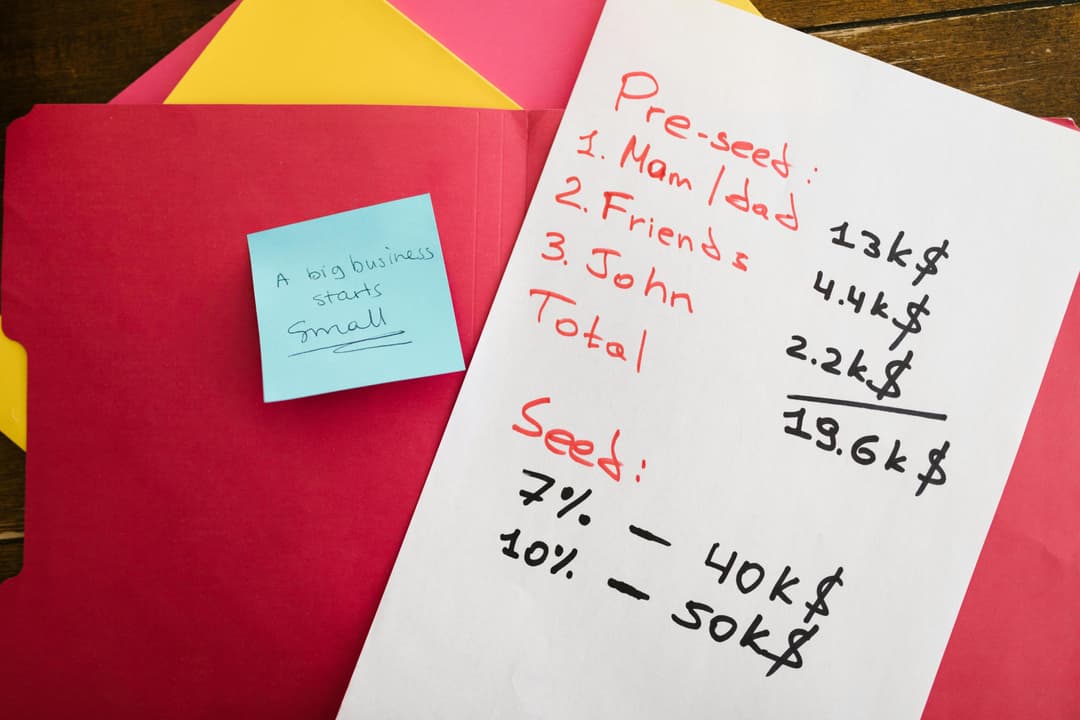
Pre-Seed Funding at a Glance
Understanding typical ranges and expectations
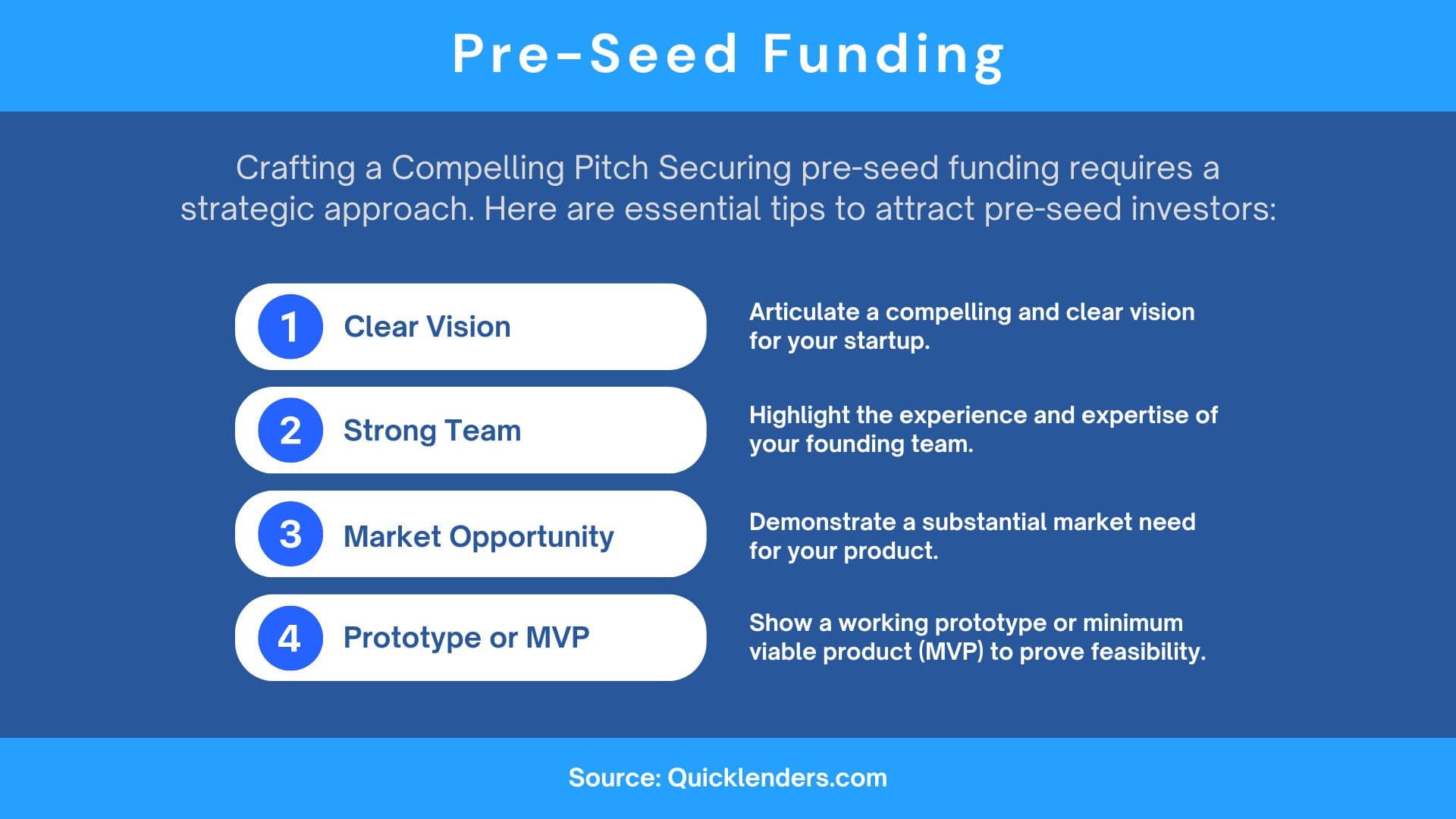
Pre-Seed Funding Sources
Where early-stage capital typically comes from
Personal Networks
- Friends & FamilyOften the first source, based on personal relationships and trust
- Personal SavingsBootstrapping demonstrates commitment to potential investors
- Angel InvestorsHigh-net-worth individuals who invest in early-stage companies
Institutional Sources
- AcceleratorsPrograms like Y Combinator provide capital plus mentorship
- Micro VCsVenture funds specializing in pre-seed and seed investments
- CrowdfundingPlatforms like Republic or WeFunder for community-based funding
Need Capital While Building Your Startup?
Explore bridge financing options to extend your runway.
Explore OptionsWhat Investors Look For
At the pre-seed stage, investors evaluate these key factors
Founding Team
Your background, expertise, and ability to execute. Investors bet on people as much as ideas at this stage.
Market Opportunity
Is the problem you are solving significant? Is the market large enough to build a substantial business?
Unique Insight
What do you understand about the market that others do not? Why are you positioned to win?
Early Traction
Any evidence of demand: waitlists, letters of intent, prototype feedback, or early revenue.
Preparing for Your Pre-Seed Raise
Follow these steps to position yourself for success
Validate Your Idea
Talk to potential customers, understand their pain points, and confirm there is real demand for your solution.
Build Your Founding Team
Assemble complementary co-founders who bring different skills: technical, business, industry expertise.
Create Your Pitch Deck
Develop a compelling 10-15 slide deck covering problem, solution, market, team, and ask.
Set Your Valuation
Research comparable deals. Pre-seed valuations typically range from $1M to $5M depending on market and traction.
Start Building Relationships
Connect with potential investors before you need money. Warm introductions dramatically improve your odds.

Structuring Your Pre-Seed Round
Most pre-seed rounds use convertible instruments rather than priced equity rounds. SAFEs (Simple Agreement for Future Equity) and convertible notes are popular because they defer the valuation discussion until a later priced round when more data is available.
Key terms to understand include valuation cap (the maximum valuation at which your investment converts), discount (typically 15-25% discount to the next round price), and pro-rata rights (the right to maintain ownership percentage in future rounds).
Alternative Funding While Raising
Raising pre-seed can take 3-6 months or longer. Consider these options to extend your runway during the process:
Revenue-based financing if you have any income, small business grants for specific industries or demographics, business competitions with cash prizes, or part-time consulting to generate income while building.
Frequently Asked Questions
Try These Free Tools
Put what you learned into action with these calculators and tools.
Increase your Financial IQ with Quick Lenders helpful guides.
Get pre-qualified in minutes with no impact to your credit score. Our lending specialists will match you with the best options for your business.